


What Happens If Glaucoma Goes Untreated?
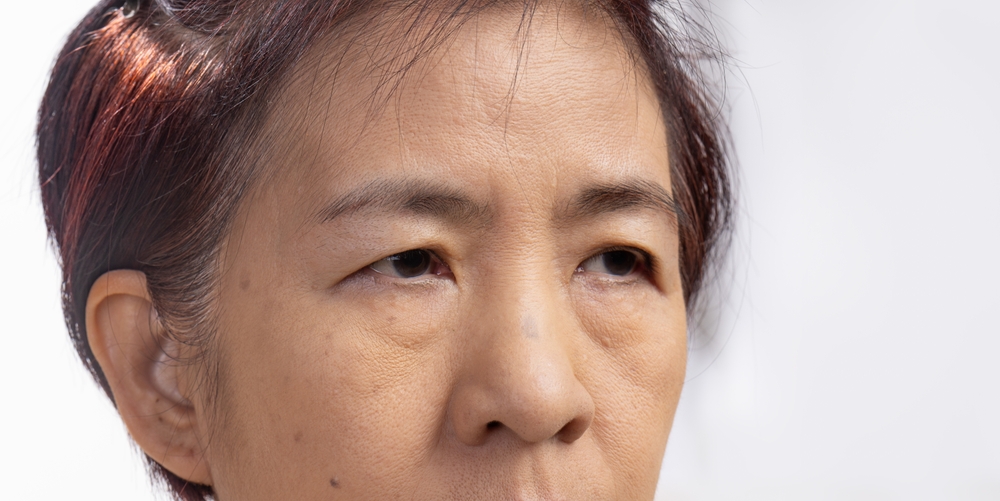
“I see just fine, so I didn’t think I needed an eye exam.”
“No one in my family has glaucoma, so I’m probably not at risk.”
“I don’t have any eye pain or symptoms, so everything must be okay.”
These are common assumptions we hear from patients, and they are exactly why glaucoma often goes undetected. Glaucoma can develop quietly, without warning signs, while permanent damage is already occurring inside the eye.
Glaucoma is often called the “silent thief of sight” because it typically causes no pain, no redness, and no noticeable vision changes in its early stages. Many people with glaucoma feel their vision is perfectly fine, which is exactly why the condition can go undetected for years. Unfortunately, if glaucoma goes untreated, the damage is permanent and irreversible.
A glaucoma exam with our eye doctor in Crestwood, MO is a critical part of overall health and cannot be replaced by vision screenings or reading an eye chart alone. Seeing clearly is only part of the equation. A full exam allows your eye doctor, including Dr. Traci Kohm, to evaluate the health of your eyes and detect serious conditions long before symptoms appear.
When glaucoma is left untreated, elevated or unstable eye pressure can slowly damage the optic nerve, which is responsible for transmitting visual information from the eye to the brain. This damage typically starts in the peripheral vision, so many patients don’t notice anything wrong until significant vision loss has already occurred.
Over time, untreated glaucoma can lead to:
• Progressive loss of peripheral vision
• Difficulty with night vision
• Trouble navigating stairs or avoiding obstacles
• Tunnel vision
• Permanent blindness in advanced stages
Once optic nerve damage occurs, lost vision cannot be restored. This is why early detection and ongoing monitoring are essential, even if you feel your vision is “fine.”
Retinal evaluation is often performed with Optomap digital retinal imaging, which provides a wide-field view of the retina, often without the need for dilation drops. This imaging allows your eye doctor to assess the optic nerve for signs of glaucoma damage, as well as evaluate blood vessels affected by conditions like diabetes or high blood pressure. In higher-risk patients, dilation may still be necessary to examine the far edges of the retina. Your doctor will explain when this step is needed for a complete and accurate assessment.
Glaucoma does not wait for symptoms to appear, and vision loss from untreated glaucoma cannot be reversed. Regular eye exams are the only reliable way to detect glaucoma early and protect your long-term vision. Even if you see well, feel fine, or passed a vision screening, your eyes may still be at risk.
Schedule your annual eye exam at Eye See Vision Center and stay ahead of glaucoma before it impacts your vision. Visit our office in Crestwood, Missouri, or call (314) 788-6440 to book an appointment today.

All Eye
Care Services

Keep
In Touch

CONTACT INFORMATION
HOURS OF OPERATION
Monday 9:00am - 5:00pm
Tuesday 9:00am - 5:00pm
Wednesday 9:00am - 5:00pm
Thursday 9:00am - 5:00pm
Friday 9:00am - 3:00pm
Saturday Closed
Sunday Closed
Note: early morning/evening appointment times available upon request
© 2026 Eye See Vision Center. All Rights Reserved. Accessibility Statement - Privacy Policy - Sitemap
Powered by: 